

Thin-film solar module technology is gaining traction across utility-scale and commercial projects, offering a compelling alternative to traditional crystalline silicon modules. However, adopting a new technology can come with a learning curve—one that can impact both design and deployment if not managed correctly.
With the right engineering support, inventory access, and logistics expertise, developers and EPCs can fully capitalize on the benefits of thin-film solar while minimizing risk.
What Makes Thin-Film Solar Different?
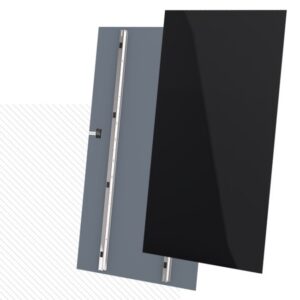
Unlike conventional crystalline silicon panels, thin-film solar modules use a semiconductor material called Cadmium Telluride (CdTe) that is deposited directly onto glass through a vapor deposition process.
This fundamental difference in construction leads to several performance advantages:
- Improved shading response
Thin-film modules have a linear shading response, meaning only the shaded portion loses production. In contrast, crystalline panels often experience step losses, where entire sections are impacted by partial shading.
- Stronger performance in diffuse light
CdTe modules absorb diffuse light more effectively, making them well-suited for environments with cloud cover or humidity.
- Higher performance in hot climates
With a lower temperature coefficient, thin-film modules lose less efficiency as temperatures rise—making them particularly effective for high-heat regions.
Reduced Risk and Long-Term Performance Benefits
Thin-film solar offers several durability and lifecycle advantages that can significantly impact project economics:
- No microcracking risk
Thin-film panels are not subject to microcracking—a common issue in crystalline modules that can lead to performance loss and costly maintenance.
- Lower degradation rates
With annual degradation rates around 0.3% for utility-scale projects, thin-film modules can generate more energy over their lifetime compared to many crystalline alternatives.
- Faster energy payback period
Thin-film modules typically offset the energy used in their manufacturing faster than other panel types, improving overall sustainability metrics.
- Lower environmental impact
The manufacturing process is more streamlined and less resource-intensive, with many thin-film modules produced in a single facility within hours. Additionally, these panels are highly recyclable, with established global recycling programs.
Overall thin-film technology can deliver more KWH/KW than crystalline modules despite efficiency differences.
Best-Fit Applications for Thin-Film Solar
Historically, thin-film modules have been deployed in large-scale solar farms. Today, their use is expanding into:
- Utility-scale projects
- Community Solar
- Behind the meter ground mount fixed tilt and tracker based projects
- Carports
As the market evolves, more developers are leveraging thin-film technology to optimize performance across a broader range of project types.
An additional driver is the ability to capture domestic content incentives, including Investment Tax Credit (ITC) benefits, which can significantly improve project economics.
Key Considerations When Transitioning to Thin-Film
Switching from crystalline to thin-film solar involves changes in:
- System design approaches
- Installation methods
- Equipment selection (inverters, racking, wiring)
- Logistics and handling requirements
Without the right expertise, these differences can introduce delays, inefficiencies, or costly mistakes.
How to Successfully Deploy Thin-Film Solar
To fully realize the benefits of thin-film technology, developers should prioritize:
- Engineering alignment early in the design phase
- Accurate system modeling (e.g., Helioscope, PVsyst)
- Proper equipment compatibility
- Specialized logistics and handling expertise
- Equally important is access to reliable inventory, especially in a market where tariffs and supply constraints can disrupt project timelines.
The Role of Supply Chain and Logistics

Thin-film solar panels require different handling and transportation practices compared to crystalline modules. Working with a partner that has direct experience with these requirements is critical to avoiding damage, delays, or compliance issues.
In addition, sourcing domestically manufactured products can:
- Reduce tariff exposure
- De–risk the supply chainImprove project certainty
- Unlock additional financial incentives
Final Thoughts
Thin-film solar is no longer limited to niche applications—it is becoming an increasingly strategic option for developers and EPCs looking to maximize performance, reduce risk, and improve project returns.
With the right combination of engineering expertise, inventory access, and logistics support, companies can confidently integrate thin-film technology into their projects and unlock its full value.
- Posted in Solar Industry, Solar Panels, Solar Technology
- Tagged in community solar, Domestic content, EPC, Solar developers, solar panels, Solar projects, solar tariffs, Thin film, utility scale